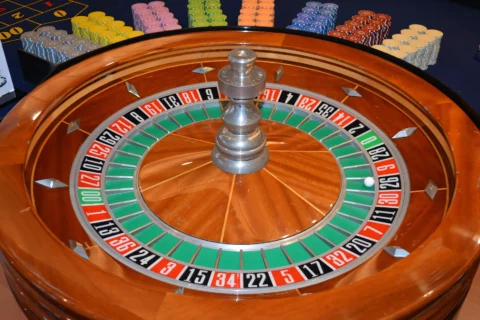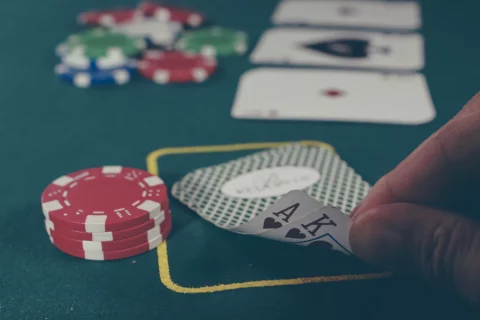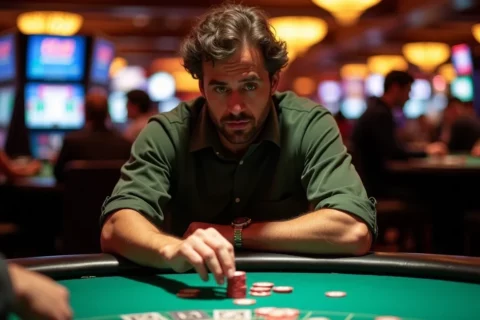
A budget is a piece of paper, a note on your phone, or a number you tell yourself before you walk into a casino or open a betting app. It has no memory, no enforcement mechanism, and no particular objection when you tear it up at eleven on a Saturday night because this time feels different. I have set budgets, deleted apps, and made promises after a bad session when resolve is sharp and shame is sharper. They all share the same flaw: they rely on me.
Self-exclusion does not.
What self-exclusion actually is
The National Responsible Gambling Programme runs a formal process that bars you from every licensed gambling operator in the country. This includes land-based casinos and provincially-licensed online sports betting platforms. Once your name enters their national database, licensed operators are legally required to refuse you service. This is not a request you make of yourself; it is a request you make of the state, and the state makes it binding on everyone else.
The NRGP operates this as a public-private partnership funded by the National Gambling Board. The scope is comprehensive because a barrier with gaps is not a barrier; it is a challenge.
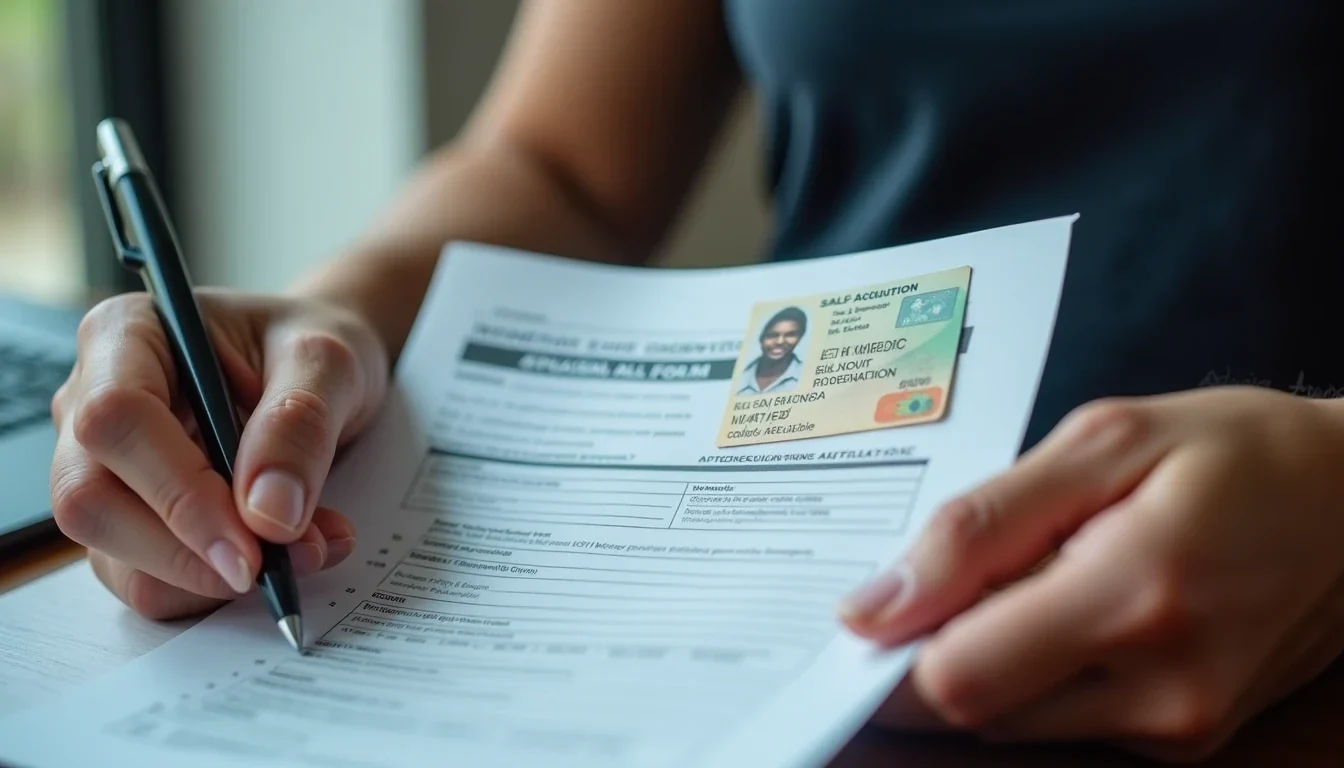
Contact them on 0800 006 008 or through responsiblegambling.org.za. You will need your SA ID and a completed application form. The process is straightforward, as hesitation is the enemy. Every additional step between the decision and the enforcement is a place where resolve can leak out.
When the personal toolkit runs empty
Repeatedly failing your own systems creates a particular exhaustion. The budget ignored, the app re-downloaded, the self-imposed cooling-off period that always ends early. Each failure corrodes not just your finances but your trust in your own judgment. You begin to doubt whether you were ever serious, whether the problem is the gambling or the person doing it.
Self-exclusion removes that loop. It does not ask you to be stronger next time. It accepts that you were not strong enough this time, or the time before, and builds a structure that does not require strength. Licensed operators face penalties if they let you play. The resistance shifts from internal to external, from willpower to legal obligation.
A deleted app takes thirty seconds to restore. A self-exclusion takes six months minimum before you can even apply for reinstatement, and that application requires counselling with an NRGP-approved professional. The gap between impulse and access stretches from seconds to months. Most impulses do not survive that span.
The six-month floor and what it demands
The minimum exclusion period is six months. This is a floor, not a guideline. You cannot negotiate it, accelerate it, or explain why your situation is exceptional. The NRGP enforces this because the first weeks of exclusion are not recovery; they are withdrawal, and withdrawal generates its own desperate logic. The six months gives that logic time to exhaust itself.
Lifting the exclusion requires more than patience. You must attend counselling with a treatment professional approved by the NRGP, and the programme reviews both your application and the counselling reports before deciding on reinstatement. This is not box-ticking. The NRGP can refuse. The possibility of refusal is itself part of the structure, a reminder that the process exists for a reason and that your convenience is not its primary objective.
The counselling requirement also addresses something budgets and app deletions cannot touch. Gambling behaviour that repeatedly defeats personal limits usually has roots beyond the gambling itself: debt, isolation, depression, or the particular texture of a life that makes the next bet feel like the only available feeling. The NRGP connects you to psychologists and social workers, and extends support to family members who have been damaged alongside you. This is the point.
Recognising the point of no return
The move to self-exclusion is usually a moment of exhaustion, when alternatives have been exhausted first. The signs are specific and cumulative: budgets set and broken, not once but as a pattern; debt that grows rather than shrinks; time stolen from work, from family, from sleep; the persistent chase of losses that deepens them; guilt that does not prevent the next session but accompanies it, a passenger that never gets out.
These markers are not subtle. What is subtle is the self-deception that surrounds them, the conviction that the next budget will hold, the next deletion will stick, the next promise will be different because this time you mean it. Self-exclusion is the recognition that meaning it has not been sufficient. It is not an admission of weak character. It is an admission that character, whatever that means at two in the morning, is not the right tool for this particular job.
The legal landscape it operates within
The NRGP’s self-exclusion system covers all legal gambling in South Africa. That means land-based casinos and provincially-licensed online sports betting. It does not cover online casino gambling because online casino gambling is already prohibited under the National Gambling Act 7 of 2004. The National Gambling Board confirmed in February 2026 that Remote Gambling Servers powering online casino games are unlawful.
This is not a loophole. The self-exclusion system is robust because it operates within a regulated environment where operators have licences to protect and penalties to fear. Illegal operators have neither, which is why they are a separate problem. The NRGP’s barrier is as strong as the legal framework that supports it, and that framework is deliberately constructed to make compliance the path of least resistance for licensed venues.
Playing smart includes not playing
The phrase “responsible gambling” has been worked hard by marketing departments. It appears on posters near slot machines, delivered with the same sincerity as cigarette warnings. Most of it translates to “know your limits,” which is fine advice for someone whose limits function. For those whose limits have become theoretical, the advice is worse than useless. It implies the problem is insufficient knowledge rather than insufficient structure.
Self-exclusion is the structural answer. It is not a confession or a permanent identity. It is a practical tool deployed at a specific moment, when softer tools have failed and something harder is required. The NRGP makes it available, free and confidential, because the cost of not using it falls on families and communities long after the individual session ends.
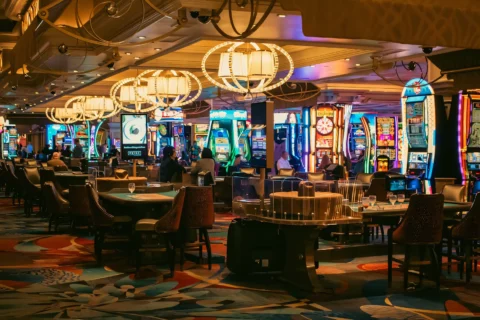
I have sat in casinos at hours when no one should be there, watching people play with the focused desperation of those who have nowhere else to be. I have been that person, or close enough to recognise the type. The budgets did not help them. The promises did not help them. What helps, when it helps, is a door that locks from the outside, because the person inside has demonstrated they cannot lock it themselves.
The number is 0800 006 008. The website is responsiblegambling.org.za. The minimum is six months. The requirement for lifting it is counselling with an approved professional. These are facts, not encouragement. The encouragement, if you need it, is that the tool exists and that using it is not the end of something. It is the beginning of a period where gambling is not an option, and therefore not a temptation, and therefore not a source of the particular shame that comes from failing yourself again.