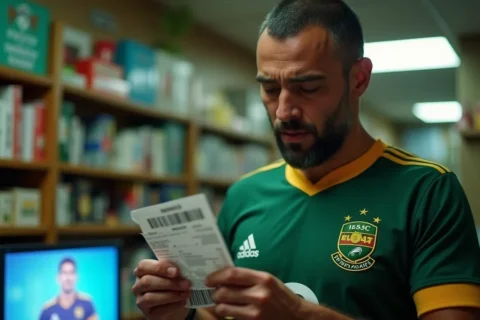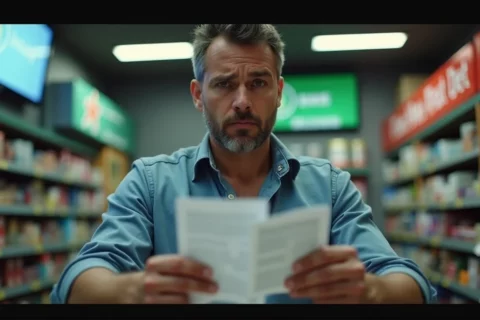
A Chiefs supporter I know once put R500 on his team to beat Pirates at 1.60, then spent the full ninety minutes explaining why the price was actually generous. Chiefs had lost three on the bounce. Their keeper was suspended. Pirates had looked sharper in every phase for six weeks straight. None of it registered. The bet was a membership fee, paid to a bookmaker, for the right to keep calling himself a supporter.
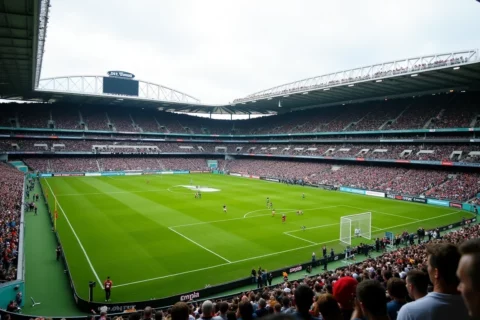
The Soweto Derby has a particular poison. The fixture between Kaizer Chiefs and Orlando Pirates is already the most emotionally charged ninety minutes in South African football. Adding money to it distorts the experience. Loyalty that should live in the stands migrates to the betting slip, where it only damages your pocket.
The Price You Pay for Believing
Bookmakers know exactly how to price a derby. The public money that floods in behind Chiefs and Pirates is not rational. It is tribal money, identity money, money that does not shop for value because value was never the point. As a result, both clubs routinely trade at shorter odds than their form justifies.
A neutral punter looking at the same match might see Chiefs at 2.40 and think that looks thin given their defensive record. The supporter sees 2.40 and feels insulted on behalf of his club. Or worse, he sees 1.80 and convinces himself it is a gift. The gap between what the odds imply and what the actual probability is, that gap is the tax on loyalty. It is invisible because the supporter does not want to see it. He has already decided his team will win. The number on the screen is just the cost of admission to that fantasy.
Confirmation bias does the rest. A good training-ground photo, a quote from the captain about “turning the corner,” a memory of that 3-0 in 2014, any scrap that fits the narrative gets weighted heavily. The six players out injured, the tactical mismatch in midfield, the away form that reads like a horror film, all of it slides off. The end result is a bettor who accepts prices that would make him laugh if any other team were involved.
When the Derby Infects Everything Else
The damage does not stop at single bets. Accumulators are where loyalty compounds its destruction. A sensible Saturday multiple might mix form teams across the Premier Soccer League, looking for value in overlooked fixtures. The supporter’s accumulator does no such thing. It is built around one non-negotiable leg: his team, in the derby, to win.
This is the “banker” fallacy in its purest form. Derby matches are not bankable. They are tight, violent, often decided by a single moment of quality or a refereeing error. Form means less than usual. The intensity compresses the gap between the sides. Yet the supporter slides Chiefs to beat Pirates into his acca at 1.70, treats it as his safest selection, and watches his entire slip die on a nil-nil or a late equaliser he should have seen coming.
Score predictions are worse. Ask a neutral for a derby forecast and you might get 1-1, 1-0 either way, something tight and ugly. Ask a supporter and you get 3-0, 4-1, scorelines that belong to a different sport entirely. These feed into exact-score markets and correct-score accumulators, the longest of long shots, now made longer by the emotional inflation of what “should” happen. The bookmaker does not care that your prediction is born of hope. He will pay out on what actually happens, which is almost never the fantasy.
The Live Betting Spiral
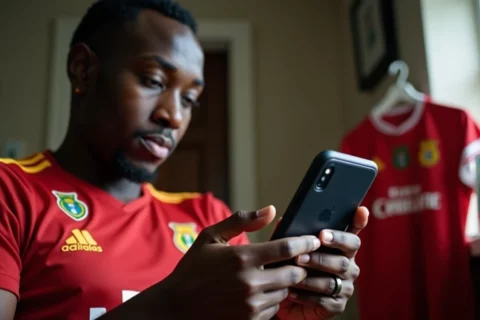
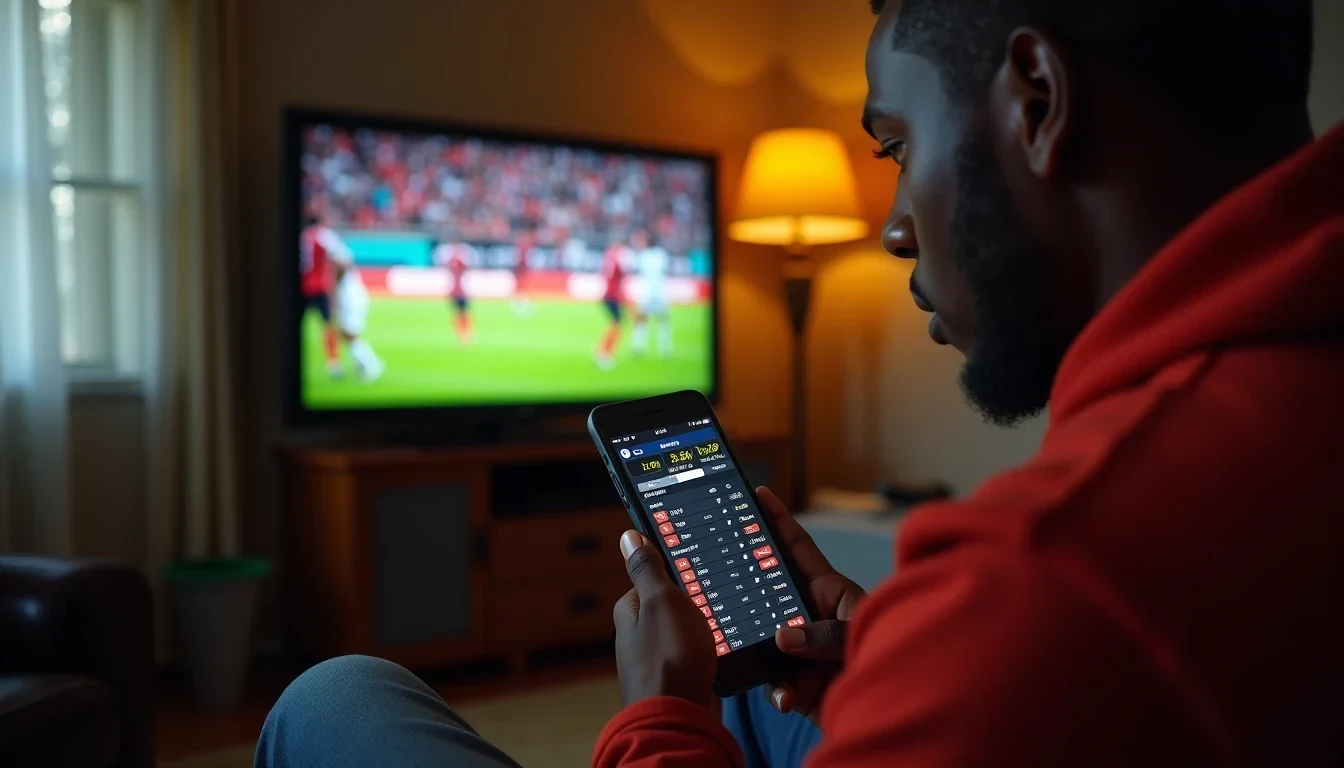
If pre-match betting on your team is unwise, live betting on them while watching is a special kind of financial self-harm. The emotional rhythm of a derby, the swings between elation and despair, map perfectly onto the live odds flashing on your phone. A goal down at halftime and the prices lengthen. The temptation arrives immediately: double down, chase the loss, “they have to come back now.”
This is not betting anymore. It is attempting to purchase an outcome you cannot control. Every near-miss, every corner, every VAR check becomes a prompt to reload. The statistics panel shows Pirates with sixty percent possession and twelve shots to two, but the Chiefs supporter sees only the one chance that hit the post and reads it as destiny. He bets again. The odds get worse. The team does not improve.
The escalation is relentless. A pre-match R200 becomes R500 at halftime, R1000 on the next goalscorer, R2000 on the comeback. The social pressure intensifies in real time. The group chat is full of people “backing the boys.” To stop betting feels like abandoning them. The bookmaker, meanwhile, has priced every one of these live markets knowing exactly how this psychology works. He is harvesting emotion at a margin.
Separating the Two Kinds of Commitment
There is nothing wrong with supporting a football team. The problem begins when you mistake a bet for proof of that support. Chiefs and Pirates do not know you exist. Your wager does not reach the dressing room. The players are not fighting harder because you have R300 on the line. You have paid a premium, often a heavy one, for the temporary sensation that your fandom has a financial dimension.
The separation is simple in theory and brutal in practice. Support your team in the stadium, in the colours, in the argument at work on Monday morning. Bet on them only when the price represents genuine value, which in a high-profile derby with distorted markets, it almost never does. If you cannot look at a 1.60 price and honestly say it overstates your team’s chance of winning, do not take it. Walk away. Your supporter credentials do not expire.
Consider neutral markets instead. Over/under goals, both teams to score, total corners, these can sometimes be analysed with something approaching objectivity even in a derby you care about. They are not perfect. The emotional fog still drifts in. But they are at one remove from the binary win/loss that defines your weekend happiness, and that remove gives you room to think.
The Legal Frame and the Actual Risk
South African sports betting operates through provincially licensed bookmakers under the National Gambling Act 7 of 2004. Online sports betting is legal and regulated. Online casino gambling powered by Remote Gambling Servers is not legal, and the National Gambling Board clarified this again in February 2026. A reform Bill has sat with the Department of Trade, Industry and Competition since October 2025, unsigned, so the landscape as it stands is the landscape you are playing in.
The same emotional pressure that pushes derby supporters into poor football bets can push them toward unlicensed operators offering casino products on the side. The loyalty tax does not stop at football. It extends to every product that promises to validate your identity as a player, a supporter, someone who is “in on the action.” The licensed bookmaker with his short prices is at least regulated. The offshore casino taking your money while you chase derby losses is not.
The Harder Thing
The honest South African punter has always had to be harder than the market. The corner betting shops of the eighties and nineties taught that lesson early. The odds were never generous. The house edge was the house edge. You either accepted it with open eyes or you were a fool. Nothing has changed except the packaging. The app on your phone is the same proposition as the slip through the hatch, only faster, more colourful, better at making you feel like your knowledge and your passion give you an edge.
They do not. Not in a Soweto Derby. Not when the price is set specifically to exploit the millions of supporters who will bet with their hearts and defend the decision afterwards. The harder thing, the thing that separates the punter who lasts from the punter who funds the industry, is to watch Chiefs against Pirates with money in your account and leave it there. Cheer without wagering. Accept that your support is complete without a receipt from a bookmaker.
The bookmaker will take your loyalty bet every time. He will take it smiling. What he cannot take is the supporter who has learned that the two commitments, to team and to wager, do not need to be the same thing. That is the only edge available in this fixture, and it costs nothing to hold.