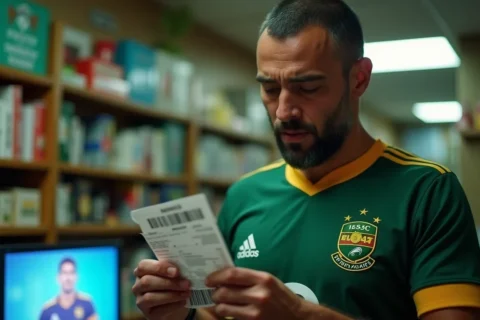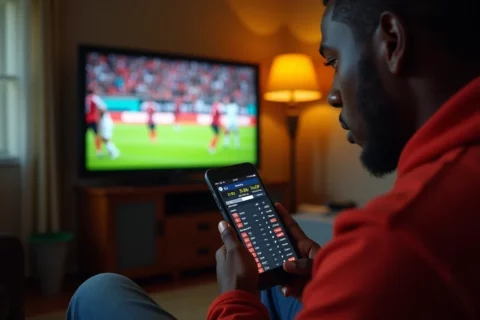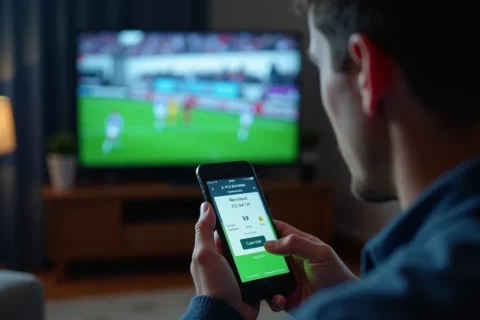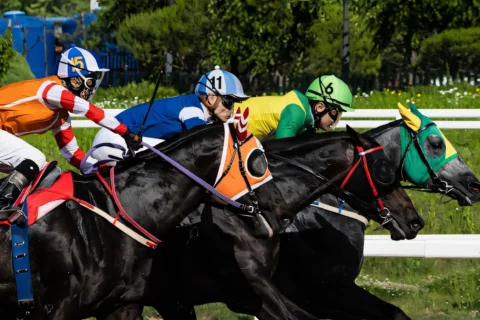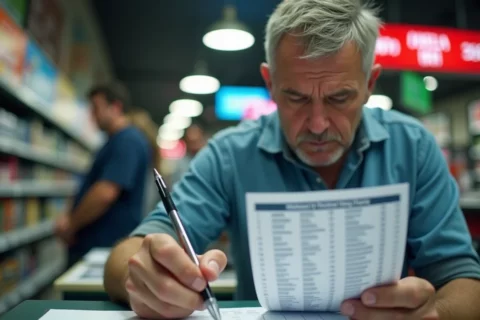

A R20 note on a Saturday race at Turffontein splits into two entirely different wagers depending on which window you hand it through. Slide it across to a fixed-odds bookmaker and you walk out holding a contract with a number on it. Push it into the tote and you have bought a share of a pot that does not yet exist in its final form. The horse does not care which pocket your money came from, but you should.
The Bookmaker’s Promise
Hand that R20 to Hollywoodbets or World Sports Betting at 4/1 and the arithmetic is finished before the starting gates open. Your ticket says R80 profit, R100 total return, and the bookmaker is legally bound to it. The price reflects what their handicappers think of the horse’s chance, plus the margin that keeps their lights on. That margin is the overround, the built-in tilt that means the true probabilities never quite add up to 100% across the field. You pay for certainty, and the cost is buried in the odds.
The bookmaker carries the risk from that moment. If the favourite bombs and the 20/1 shot romps home, they absorb the damage. They will have tried to balance their book, shifting prices as money flows in, chasing that theoretical state where they profit regardless. But your price is already locked. The suspense that remains is pure sport: one animal against others, your judgment against the stewards’ inquiry.
The Tote as Living Poll
The same R20 into a SAFTOTE pool buys something else entirely. Your money joins every other Win bet on the card, a single sloshing reservoir from which the operator first extracts its takeout, anywhere from 14% to 25% depending on whether you are backing straight or exotic. What remains is divided among the holders of winning tickets. The arithmetic is not finished until the last stride is official.
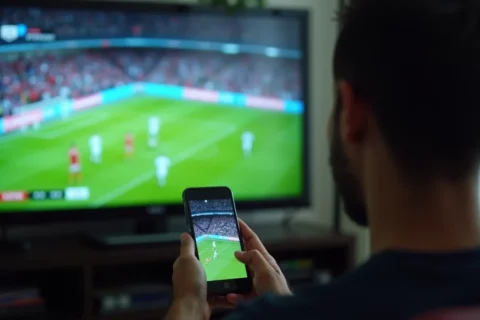
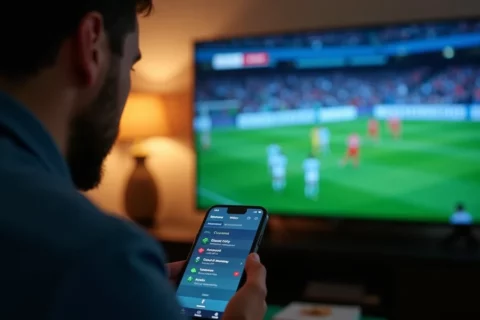
Before the race you watch estimated dividends flicker on screens around the track or on your phone. The number beside your horse is a photograph of public opinion at that instant. If a trainer’s whisper moves late money onto the second favourite, your horse’s estimated dividend swells because fewer tickets will share the pool if it wins. If a tipping service lands on your selection, the dividend compresses. You are not merely watching a horse; you are watching a crowd reveal its collective mind in rand and cents.
The tote does not set prices. It discovers them continuously from the weight of other people’s convictions. Your return depends not only on whether you picked the winner, but on how many others failed to.
Two Kinds of Suspense
The bookmaker bet resolves its financial dimension the moment you place it. From then to the finish, you are a spectator with a stake. The tote bet keeps two questions open until the final stride: will the horse win, and what will the crowd have made that win worth? Even after the photo finish, a small suspense lingers while the official dividend calculates, the last late bets accounted for, the pool finalised.
Neither system improves your eye for a horse. Neither changes the weight the jockey carries or the going underfoot. They are simply different instruments for measuring and rewarding the same guess. The bookmaker offers a private contract at a known rate. The tote offers a share of collective judgment, with the possibility that your contrarian instinct pays disproportionately if the crowd has backed wrong.
What the R20 Actually Buys
For the recreational player, the choice is less about mathematics than about temperament. The certainty-seeker who wants to know precisely what a win means, who shops between bookmakers for the best price on the same horse, who treats betting as a series of discrete transactions, belongs at fixed odds. The player who finds extra juice in watching the market breathe, who treats the estimated dividend as part of the form study, who will accept not knowing the final number in exchange for the chance of a fatter one, belongs in the pool.
The house edge is real in both places. The bookmaker’s overround is visible to anyone who adds implied probabilities. The tote’s takeout is visible in the deduction from the pool. Neither is giving money away. The only question is which shape of uncertainty you prefer to pay for: the uncertainty of the race alone, or the uncertainty of the race plus the shifting judgment of everyone else watching it.
The horse, again, does not care. But you are not the horse. You are the one still watching the screen, ticket in hand, waiting to see what your R20 has become.