A buffet voucher for two at GrandWest costs the house roughly R180 to print. The player who slides it into a wallet feels like they have beaten the system. They have not. That voucher was priced into every spin they made to earn it, and the pricing is not kind.
The Loyalty Machine
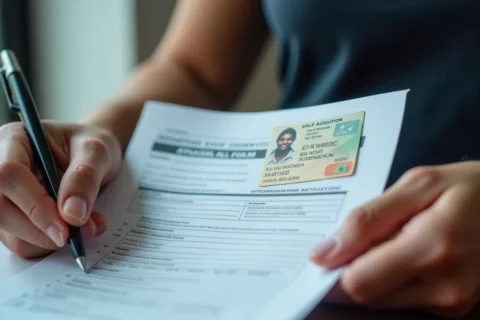
South African casinos run tight loyalty programmes because they work. Sun International’s MVG card and Tsogo Sun Rewards track every rand you push through a slot or lay down on felt, converting that spend into points, tiers, and complimentary perks. Silver becomes Gold becomes Platinum becomes Black Diamond, and at each step the velvet rope lifts a little higher. Priority parking, a dedicated host, invitations to events you would not otherwise attend. The structure is deliberate. It turns a commercial transaction into a relationship, and a relationship into an obligation.
The mechanics are transparent if you read the terms. A slot player might earn one point per R50 wagered. Table games typically demand more, R100 or beyond for the same point, because the house edge sits lower there. The casino knows exactly what your play costs them and prices the rewards accordingly. They are not guessing. They are running a margin.
What the Maths Actually Says
Here is the calculation the floor hopes you never make. Suppose you want that R180 GrandWest buffet voucher and it costs 2,000 loyalty points. At one point per R50 on slots, you must cycle R100,000 through the machine to qualify. If you are playing a slot with a 92% return to player, the house edge is 8%. Your theoretical loss on R100,000 of handle is R8,000. You have paid R8,000 in expected value for a meal that retails at R180.
The ratio is brutal. It is not 10-to-1 or 20-to-1. It is roughly 44-to-1. And that assumes the slot is running at its published RTP, that you hit no jackpots, that your actual results hew close to the theoretical mean. They rarely do. Most players will lose more than the theoretical number chasing the points, because downswings force continued play, and continued play deepens the hole.
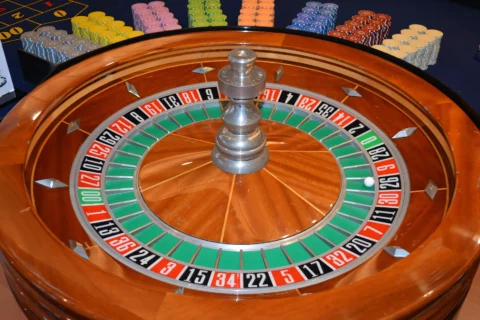
Table games look better on paper. European roulette with its single zero carries a 2.7% house edge. Blackjack played with basic strategy can dip below 1%, though most recreational players sit closer to 2% through imperfect decisions. But the point accumulation is slower, and the casino knows this. They have calibrated the entire system so that no game path offers a genuine bargain. The buffet is never free. It is financed.
The Gap Between What You Lost and What You Think You Gained
Theoretical loss is one thing. Actual loss is what empties your bank account. A player who buys in for R2,000, cashes out R500, and receives a R150 meal voucher has not enjoyed a R150 windfall. They are R1,500 down. The voucher merely means they will eat before they leave. It does not reduce the loss. It camouflages it.
This is where personal discipline matters, and where most of us fail. The only honest way to measure a comp’s value is to track every rand in and every rand out across multiple sessions. Buy-ins, cash-outs, the lot. Compare your net position to the cash value of whatever perks arrived. If you are down R5,000 for the quarter and your comps total R400, you have not extracted value. You have paid a 92% premium for the illusion of being looked after.
Free play credits deserve the same scepticism. R100 loaded onto your card for the slots is not R100. It is a wager with an expected return of R92, assuming 8% house edge, and only if you survive the variance. Many players burn through free play and reach for fresh cash in the same session. The comp has done its job. It brought you back to the machine.
Why It Feels Like Winning
The psychology is older than the loyalty card. Casinos understand reciprocity. Give someone a meal, a room upgrade, a moment of recognition at the host desk, and they feel a tug to return the favour. The favour is more play. The player experiences this as gratitude, as loyalty, as being treated well by an institution that has their interests at heart. It is not. It is a cost of acquisition folded into the hold percentage.
Tier structures exploit status seeking with equal precision. The gap between Gold and Platinum is not large in practical terms. A slightly better parking bay, a slightly shorter queue. But the human brain codes tiers as achievements, and achievements demand maintenance. Players who hit Platinum do not want to slide back to Gold. They visit more often, play longer, chase the points threshold before the annual reset. The casino has borrowed the language of airline programmes and hotel chains, but the underlying product is pure negative expectation. A platinum frequent flyer still arrives at their destination. A platinum gambler still faces the same house edge on every spin.
Intermittent reinforcement completes the trap. Comps arrive unpredictably, sometimes after a heavy session, sometimes after a light one. The uncertainty keeps the behaviour alive more effectively than a predictable schedule would. It is the same mechanism that drives slot play itself. Variable rewards, delivered just often enough to sustain hope.
The anchoring effect seals the distortion. A R300 hotel room voucher feels substantial because R300 is a number we understand. It buys groceries, fills a petrol tank. The R4,000 or R8,000 in theoretical losses required to earn it is harder to hold in working memory. The voucher becomes the story of the session. The losses dissolve into background noise.
When the Perk Might Actually Help
There are narrow exceptions. A player who was already committed to a night at Sibaya for a family wedding, who was going to book that room regardless, and who receives it comped through prior play, has captured genuine value. The gambling did not increase to chase the reward. The reward simply reduced a fixed cost.
Similarly, a disciplined player who treats casino dining as part of an entertainment budget they would spend elsewhere, and who does not expand their handle to earn the voucher, can come out marginally ahead. The margins are thin and the discipline required is rare. Most players who fit this description are not reading articles about loyalty programme mechanics. They have already done the maths and made their peace with it.
For everyone else, the comp is a rebate on overpayment, not a benefit in its own right. The question is never “what did I receive?” It is “what did I spend to receive it, and would I have spent that if the reward did not exist?” Honest answers are uncomfortable. They are also the only answers that matter.
The Verdict at the Desk
The next time a host slides a voucher across the desk, or your phone pings with a free play offer, do the division. Points required divided by earn rate equals handle. Handle multiplied by house edge equals theoretical cost. Compare that cost to the face value of the perk. The result will not flatter the programme.
South African casinos are not running charities. Sun International and Tsogo Sun are public companies with shareholders and quarterly targets. Their loyalty programmes are marketing instruments, designed with the same rigour as their slot floor layouts and their table limit structures. The warmth is surface. The maths underneath is cold, and it does not bend.
Play if you enjoy it. Budget for it as entertainment, the way you budget for a concert ticket or a night at the rugby. But do not pretend the loyalty card is tilting the deal in your favour. It is not. It is measuring your contribution with precision, and thanking you for it at a small fraction of the price.