A bookmaker badge does not scrub a roulette wheel into a sports bet. If the product is casino gambling, the logo at the top of the page does not rescue it, no matter how many people click the same app on a Saturday afternoon.
Many players make this mistake. They see a familiar name, a polished interface, maybe the same EFT deposit screen they use for football, and they assume everything under that brand has the same legal footing. It does not. A bookmaker can be licensed for sports betting and still have no authority to offer online roulette, blackjack, slots, or live dealer tables. The company name is one thing; the game on the screen is what counts.
The licence stops at the sportsbook
A bookmaker licence is not a blank cheque. It is a permission slip with edges, and those edges define its scope. Provincial gambling boards issue sports betting permissions for betting on matches, races, and other approved contingencies. That is the lane. The lane ends once the operator drifts into interactive casino gambling.
South African law does not hand out online casino licences. Not nationally, not provincially, not to a bookmaker with a slick app and a decent marketing budget. Land-based casinos are licensed through a separate system. A physical casino floor, a sports book, and an online sportsbook are not the same thing, even if the same company owns all three.
Public confusion starts here. A familiar bookmaker can be perfectly lawful when taking a bet on a football result or a horse race. The same brand can be on the wrong side of the law the moment it offers a roulette table in the same account. The permission is activity-specific, not brand-specific. I can trust the licence number on the sports book without pretending it blesses every product the company decides to hang underneath it.
The National Gambling Board has been blunt about this for years. Its position has been steady enough that anyone still pretending otherwise is not confused, just hopeful. Hope is not a legal argument. It is also a terrible way to choose a gambling site.
Roulette does not become legal by changing its clothes
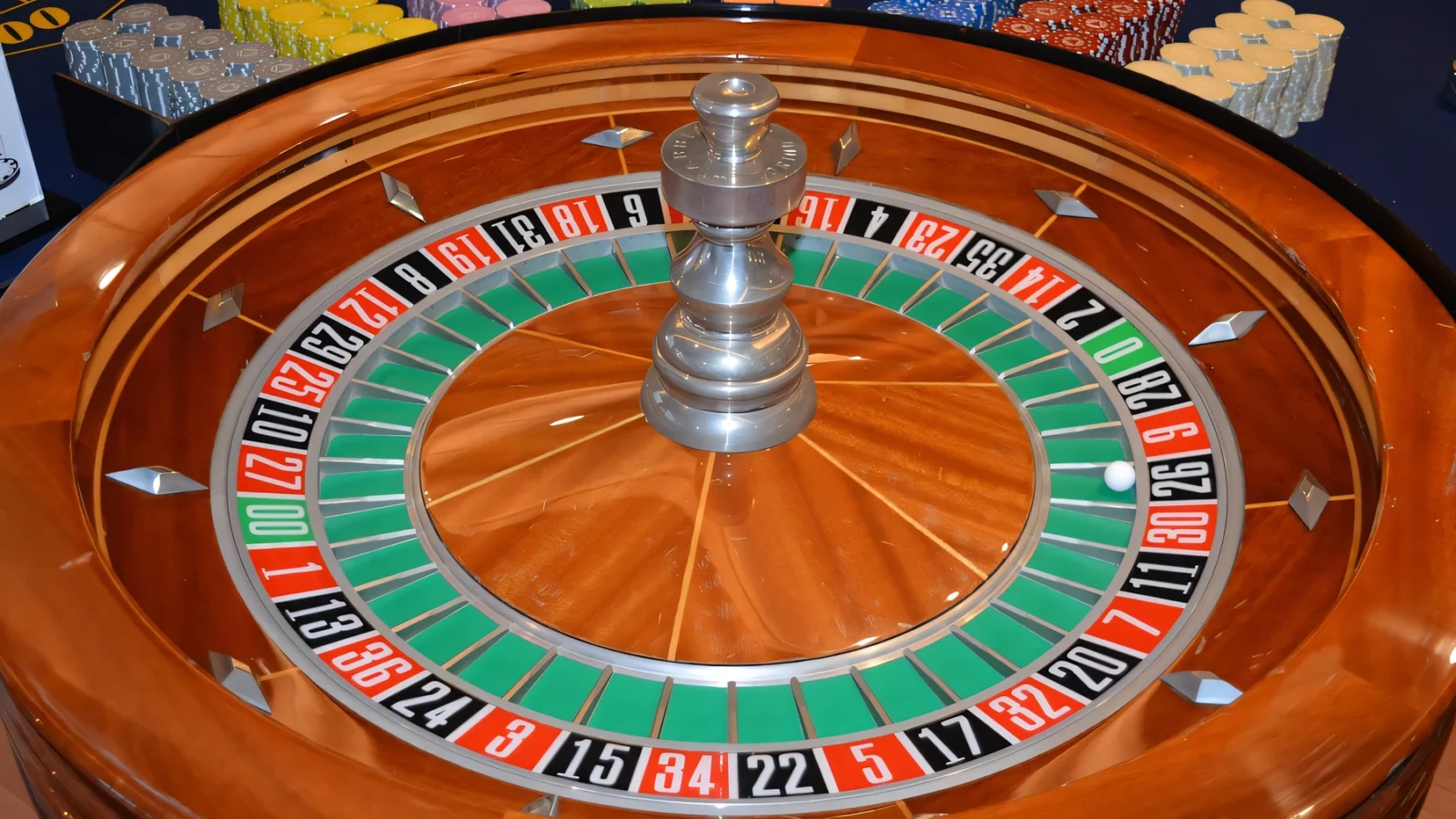
Bookmakers have leaned on a simple trick. They try to rename casino games as something else, usually a “contingency” or a fixed-odds event, as if a new label changes the bones underneath. It does not. Roulette is still roulette. A live dealer table is still a casino table. A slot reel is still a slot reel, even if it arrives in a branded app that also takes an accumulator.
The National Gambling Board has repeatedly warned that this kind of relabelling does not turn prohibited interactive gambling into something lawful. Calling a casino game a bet on an outcome is a costume change, not a licence. The law looks at the product itself, not the story the operator tells about it.
That position became clearer in October 2025, when the Supreme Court of Appeal ruled in a case involving bookmakers offering roulette and other casino-style products. The regulator welcomed the ruling because it backed the line it had been pushing all along. The court did not accept the idea that a casino game becomes legal just because it is wrapped in betting language. The legal character of the game came first, and the branding came second.
By February 2026, the NGB had gone further and told provincial licensing authorities that the remote gambling servers used to run these casino-style products were unlawful. This is not a small administrative detail. The regulator stated, in plain terms, that the plumbing does not fix the problem. If the underlying product is illegal interactive casino gambling, the software stack and the payment flow do not clean it up.
So when I see roulette parked beside football markets, I do not ask which company built the app. I ask what the game is. The law asks that question too.
A logo is not a legal test
Players get trapped by familiarity. They know the bookmaker. They have used the bookmaker before. They have maybe even withdrawn from the bookmaker before, which makes the whole thing feel safe. Then the site shows them live roulette, a casino lobby, or some shiny table game and the old reflex kicks in: if the front door is licensed, the whole house must be fine.
No. A bookmaker name tells you who is behind the site. It does not tell you whether a specific product sits inside the scope of the licence.
If you want to check properly, look at the activity first, not the brand. Ask yourself a blunt question: Is this sports betting, or is it a casino game pretending to wear sports betting shoes? If the answer is roulette, blackjack, baccarat, slots, or live dealer play, you already know where the problem sits.
Then look for the licence detail. A legitimate sportsbook should show the relevant provincial licence information and make clear what it is allowed to do. The province matters because the permission comes from a provincial board, not from the bookmaker deciding for itself that it has expanded into a new lane. Western Cape, Gauteng, and the other provincial structures have a role here, but none of them issues a magical online casino licence because a brand is popular.
Payment methods do not fix that either. An EFT account in rand, a voucher top-up, a local banking rail—all of that is just how money moves. It is not proof that the product itself is lawful. South African gamblers know how often a site can look domestic while the legal footing is anything but.
If the site is trying to sell you a casino game under a bookmaker roof, the right question is not, “Do I recognise this logo?” The right question is, “What exactly is this product licensed to be?” That answer should be obvious before the first rand leaves your account.
The risk lands on the player too
People like to talk as if the only risk sits with the operator. That is comfortable nonsense. Players can get burned as well.
An illegal online casino product has no proper consumer protection around it. If a bookmaker decides to stall a withdrawal, argue over a bonus condition, or deny a payout on a game it should not have been offering in the first place, you are not standing in front of a clean, regulated casino dispute process. You are arguing from a weak position inside a product that should not have existed in that form.
There is also the legal side. Participating in illegal gambling is technically an offence under the National Gambling Act 7 of 2004, even if enforcement against ordinary players is rare. Rare is not the same as impossible. And if money tied to illegal play gets tangled up, the fact that the site looked respectable on your phone will not help much.
The bigger issue is that unregulated casino play strips away the things people pretend not to care about until they need them. There is no meaningful oversight of fairness, no proper dispute body, no guarantee that the game is running to standards you can verify, and no responsible gambling framework with teeth. If a site is outside the line, it can also be outside the discipline that keeps bad habits from getting worse.
That is why I do not treat “licensed bookmaker” as a magic phrase. It is not a blanket approval stamp. It is a statement about a specific licence for a specific activity. The moment the product shifts from sportsbook to casino, the label on the homepage stops being a comfort and starts being camouflage.
A familiar logo is the easiest thing to trust, and the worst thing to trust when the law turns on the game itself.