A roulette wheel on a licensed casino floor is legal. A football bet with a provincially licensed bookmaker is legal. An offshore online casino offering both through a glossy app is not. South African law has never treated those three things as the same, even if the marketing tries very hard to blur the distinction.
I’ve seen enough slick gambling pitches to know the trick. Give a site a local flag, a clean interface, a crypto button, and a fake sense of familiarity, and plenty of people will assume it must be fine. It isn’t. Section 11 of the National Gambling Act keeps the line in place, and the National Gambling Board has said plainly that online betting is only lawful here when it comes from a South African licensed bookmaker for sports and horse racing.
The law keeps casino and betting apart
The whole argument starts with one legal difference that never went away. The Act bans interactive gambling. In plain English, that covers online casino-style play, the sort that copies slots, roulette, blackjack, and poker onto a screen. The fact that the machine is now in your hand instead of on a casino floor does not make the activity legal.
There is a narrow exception. Provincial gambling boards can license bookmakers to take bets online, but that permission is for betting on sport and horse racing. It does not stretch to casino games. A bookmaker can take your money on a match, a race, or a market tied to those products. It cannot quietly turn itself into an online casino and pretend the paperwork moved with it.
That is the part people try to wriggle around. They hear “online gambling” and imagine one broad bucket. The law does not work like that. A bookie is a bookie, and a casino is a casino. The regulator knows the difference, and so does the statute.
A licensed casino floor is still a different thing
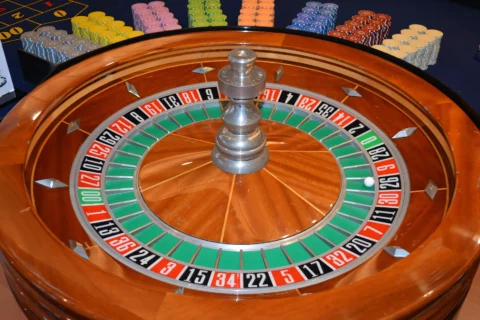
Walk into a licensed land-based casino, and the roulette wheel is lawful because the venue itself operates under the proper provincial and national framework. The game is not legal because roulette has become morally superior under fluorescent lights. It is legal because the operator is licensed to offer that casino product in that place.
That is why the distinction matters. A casino floor, with all its noise and bad decisions, sits inside one legal box. A provincial bookmaker taking a football bet sits in another. A foreign online casino with the same games, reels, and house edge sits outside both.
The internet has made different products look interchangeable. It has not made them legally interchangeable. A browser tab can look a lot like a casino cashier window, but the law is not fooled by cosmetic surgery.
Foreign licences do not travel well
A lot of offshore operators lean on the same sales pitch. They wave a foreign licence, mention Malta or Curaçao or some other jurisdiction, and hope the average player will hear “licensed” and stop asking questions. That is not how jurisdiction works. A licence from overseas may mean something where it was issued; it means nothing on its own in South African law.
I’d treat the crypto angle the same way. Bitcoin, USDT, bank cards, EFT, vouchers — it does not matter. A payment method is just a way to move money. It does not bless the product you are buying. If the underlying gambling is unlawful here, changing the rail does not fix the problem; it just makes the money move in a fancier costume.
The same goes for the website itself. Plenty of illegal operators dress their pages to look local: South African colours, South African wording, local payment options, even customer support that sounds like it was hired in a hurry to play nice. It is theatre. The National Gambling Act does not care whether the lobby looks familiar.
The NGB has already drawn the line
The National Gambling Board has not been vague about this. Its position is that South Africans may use online betting services from bookmakers licensed in South Africa only for sports and horse-racing bets. That is the legal doorway. Everything else in the online casino space sits outside it.
In February 2026, the Board notified provincial licensing authorities that remote gambling servers used for online casino play are unlawful. This shows the regulator is not squinting at the issue and hoping it sorts itself out. The message is the same one players keep hearing in different forms, and they ignore it at their own expense.
The truth is boring, which is usually how law works when it is doing its job. If a product is casino gambling online, it remains prohibited. If it is online sports betting or horse-racing betting from a licensed bookmaker, it can be lawful. The name on the front page does not change that, nor does the payment button or a foreign badge in the footer.
What legal betting looks like in practice
Legal online betting here has a narrow shape. You place a bet with a bookmaker that holds the right provincial licence. The operator can take bets on sport and horse racing. You top up through ordinary local methods, which often means EFT, card payments, or vouchers, depending on the bookmaker. The point is not the payment route; the point is the licence behind the product.
That is why a football punter can sit at home, load an account, and bet within the law, while the same person cannot open a roulette tab and call it the same thing. One is a regulated bookmaking service; the other is an illegal casino product wearing headphones and a nice logo.
If you have ever moved cash around on a betting account, you already know how ordinary the legal side looks. No magic, no mystery. Just a licensed operator, a regulated product, and a very ordinary chance of losing money on something that was always designed to keep a slice of it.
What illegal online casinos leave out
The missing piece is protection. Offshore casinos do not answer to local regulators in the way a licensed bookmaker or casino does. If a site stalls on a withdrawal, changes terms after you win, or simply vanishes, there is no neat South African consumer channel waiting to rescue you. You are dealing with a business that set up shop outside the legal structure that governs gambling here.
That is the part too many players only discover after the first problem. The site was happy to take the deposit but less enthusiastic when the balance needed to come back out again. That is not a technical glitch; that is the business model showing its teeth.
There is also the wider legal risk. The law is aimed mainly at the operator, but players are not standing in some untouchable safety bubble just because the website looked professional. If you are taking part in prohibited online casino gambling, you are not in the same position as someone placing a legal sports bet with a licensed bookmaker. Pretending otherwise is how people end up confusing convenience with legality.
The clean rule is the useful one
If it is a casino game online, treat it as unlawful here. If it is sports betting or horse-racing betting with a bookmaker licensed by a provincial gambling board, that is the lawful lane. If a site wants to sell you the same old roulette wheel with a foreign licence, a slick design, and a crypto cashier, it is still trying to move a prohibited product through the back door.
The legal boundary is not subtle. The only thing subtle is the marketing pretending it is.