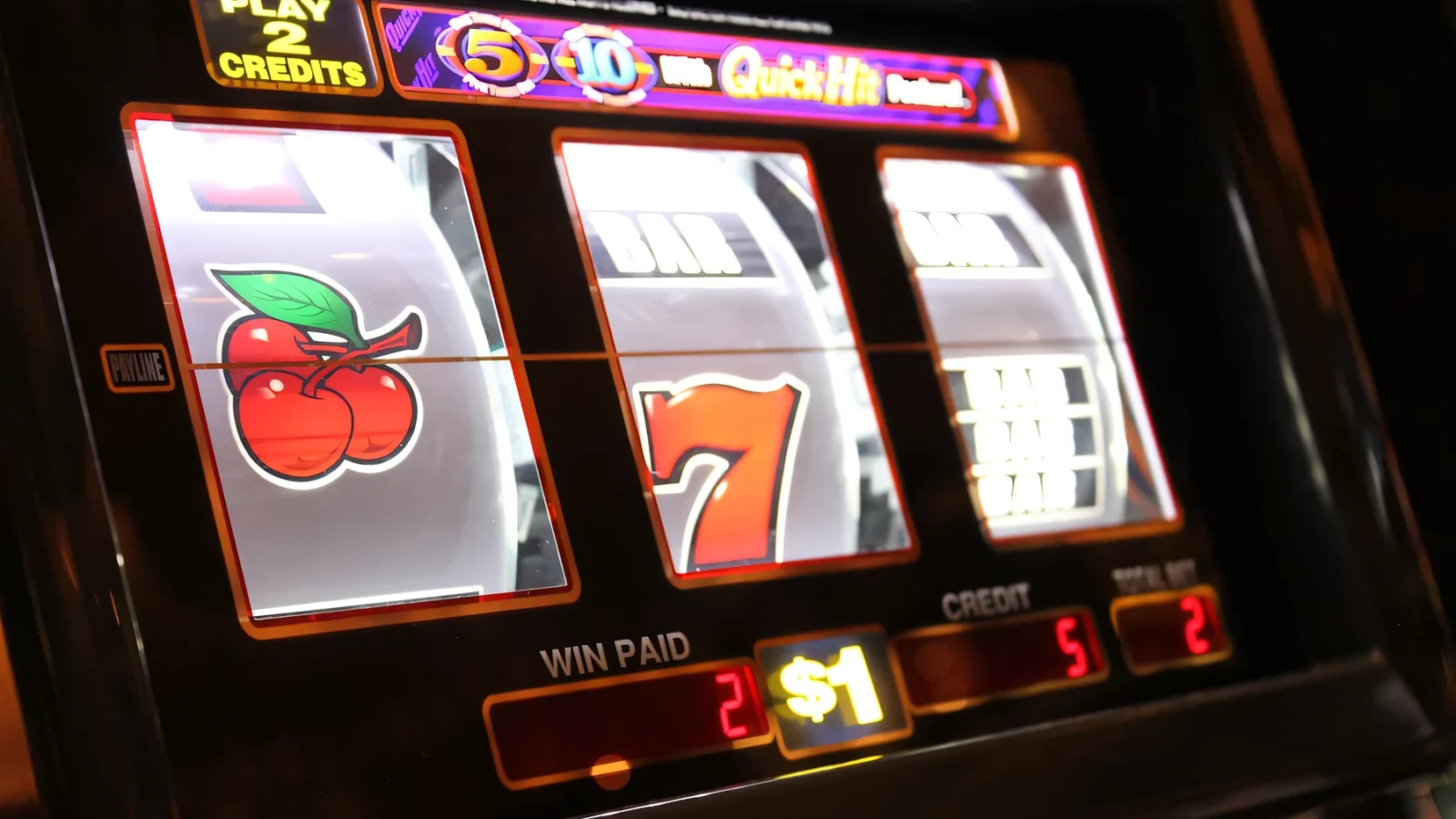
An anticipation spin is the bit of slot design that tells your nerves to sit up straight before the game has even paid you. The reels slow, the sound tightens, the screen leans into the moment, and suddenly you are convinced the third bonus symbol has a date with your machine. Most of the time it is just theatre. Slot makers have been using that little hit of suspense for years to keep players locked in long enough to care.
I have always thought the funniest thing about it is how easily we fall for it. A game can still be paying the same ugly maths underneath, yet if the last reel hangs a touch longer or the music changes pitch, half the floor starts behaving like the machine has a conscience. It does not. It has timing.
The slow-down is the point
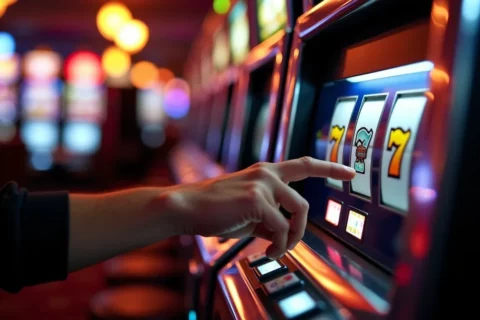
The classic version is simple. Two bonus symbols land, the third reel is the whole show, and the game decides to drag that last spin out. You hear the cue, you see the reel ease down, and the machine starts telling you a story about almost winning. That story can be enough to make a dull slot feel alive.
Older reel games did this with very little equipment. On an old IGT Triple Diamond machine, a big hit could come with the reels stopping more slowly than usual. This was the machine’s way of saying something unusual had happened before you even got the final result. Triple Double Diamond did something similar, including that 9x red 7 win that made people sit up because the machine itself changed tempo before the payout landed.
That was the whole trick in the mechanical era. There were no flashy graphics to dress it up. The reels themselves did the work. Slower stop, heavier sound, longer pause. Your brain filled in the rest.
Modern video slots just have more toys. They can slow the reel and flood the screen with stars, money, flames, animals, whatever the theme allows. Lions and tigers can roar, coins can fly, and the game can turn a near miss into a miniature stage act. The machine builds tension by making you wait for the last reveal.
Why players feel it so hard
The best anticipation spins hint that something might happen and make you feel like something is already underway. That is the part gamblers recognise fast, even if we pretend otherwise. You are not staring at a random spin anymore. You are waiting for an event.
That feeling gets strongest when the game uses the obvious setup, two bonus symbols already in place and the third one still hanging out of sight. At that moment the machine is teasing the next step. The sound effects usually sharpen, the reel speed changes, and your head starts doing the work the game has invited it to do.
The spin can create a sense of closeness without improving the actual odds one bit. The bonus is still the same bonus, the chance is still the chance, and the machine has not become generous because it played a little drama for you. It just knows how to make uncertainty feel expensive.
These spins stick in memory. A normal loss disappears. An ordinary win gets filed away. But a near bonus that stretches itself out for a couple of heartbeats stays with you, because it gives the impression that the machine almost had something to confess.
The Buffalo Gold Revolution lesson
Buffalo Gold Revolution is a neat example because its first version felt wrong to players for this reason. When it first showed up on casino floors, it did not have the anticipation spin people expected. That sounds like a tiny thing until you actually sit there and play it. Then it feels like the machine has skipped a beat.
That missing pause was noticed straight away. Players called it strange, and more than that, they felt the game was missing a little something. That reaction tells you how ordinary the feature has become. Once a design trick has been around long enough, players stop seeing it as a bonus and start seeing it as part of the machine’s grammar.
An updated version of the game now includes it in some casinos, which is the sensible move. If enough people feel the absence, the absence stops being a design choice and starts looking like a mistake. A slot that promises tension and then refuses to deliver the usual build-up feels unfinished, like a joke cut off before the punchline.
Casino floors understand this better than some game designers admit. Players notice not only what a game pays, but also how the game behaves while it is pretending to decide.
It is not only about free spins
A lot of people think anticipation spins belong only to free spin bonuses, because that is where they are easiest to spot. That is too narrow. Games use the same idea anywhere the machine wants to dramatise a near result.
Mighty Cash is a clean example. In those Cash on Reels setups, you are chasing a required number of symbols rather than a free spin trigger. The tension still works the same way. If the game wants the last needed symbol to feel dramatic, it can slow the reels and lean on sound to make the final count feel loaded.
The feature survives across different slot styles. Dancing Phoenix Soaring Dragon uses two bonus symbols, which is exactly the kind of setup that invites an anticipation spin on the third reel. It is a simple bit of game design, really. Put the player one symbol short, then make the final reel act like it knows something.
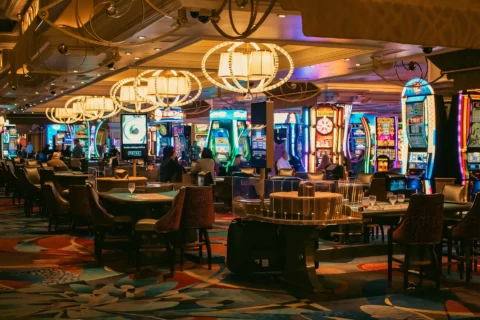
The newer video reel games do this best because they have a full screen to play with. The old three-reel machines were limited to movement and noise. Modern games can add motion graphics, themed effects, and all sorts of visual nonsense to say the same thing more loudly. The machine says, sit still, something might be about to happen, and it says it with money flying around or a pack of animals making a fuss.
The psychology is doing the heavy lifting
Anticipation spins are not there by accident. They are a deliberate way to make the player stay engaged with the moment in front of them. The game is stretching the edge of possibility so the spin feels more valuable than the maths says it is.
These moments can hit harder than the win itself. A modest bonus often lands with less emotional weight than the half-second before it arrives. The build-up is doing the work. Your brain loves a near result, even when your bank balance should not.
The feature becomes a kind of slot tradition. Once players expect that reel slowdown or visual cue, its absence feels almost rude. It is part of how the machine teaches you to wait.
The waiting is the product. The house still wants your turnover, not your enlightenment. A good anticipation spin increases the time you spend leaning toward the screen, which is exactly what the game wants from you. The reel is not being dramatic for your benefit. It is keeping you in the chair.
Why it still works on people who know better
The awkward part is that most gamblers know this trick exists and still respond to it. I know I do. You can understand the mechanics perfectly and still feel your pulse jump when the last reel drags its feet. That does not make you stupid. It makes you human and slightly under disciplined, which is how most of us end up in front of slots in the first place.
The machine never has to promise a win. It only has to promise a moment. Anticipation spins sell the moment better than almost any other slot feature because they dress randomness up as suspense. Players notice when they disappear, older machines made use of them so confidently, and newer games keep finding more elaborate ways to say the same thing.
In a country where land-based casino slots are legal under the National Gambling Act 7 of 2004, and where the rest of the gambling debate keeps shifting around licensed venues, bookmakers, and online restrictions, this part of slot design has stayed oddly stable. The law changes, the cabinets change, the payment habits change, but the last reel still knows how to make a room go quiet.
The machine only has to slow down a little. The rest we supply ourselves.