The price on this game will not come only from form, injuries, and history. A Springboks-All Blacks Test in Baltimore on 12 September 2026 is also being built as a market event, so the betting line will try to price rugby, travel, theatre, and commercial intent in the same number.
This is a messy job. A neutral venue in an NFL stadium, two southern hemisphere teams hauling themselves across the world, a big American crowd that will not behave like a Saturday night in Johannesburg or Auckland, and a fixture that exists partly to sell rugby to a new audience all push the markets away from the neat comfort of ordinary Test rugby. I would treat the odds with more suspicion than usual and look harder at the shape of the game than the shirt names.
A Test that is selling more than rugby
Baltimore is part of the point, not just a venue choice. The match sits under the “Rugby’s Greatest Rivalry” banner, and the public story around it is commercial as much as sporting. SA Rugby and New Zealand Rugby want revenue, broadcast income, and a path into the US before the 2031 Men’s Rugby World Cup. Nobody spends that kind of money and effort just for a tidy bit of mid-September nostalgia.
This matters to a bettor because the people inside the match are carrying more than a scoreline. A showcase fixture asks for spectacle, clean branding, and no clown shoes on the big stage. Players still want to beat each other, obviously, but the wider frame can affect how the game is managed. Coaches think about load, promotion, player welfare, and presentation. Media schedules get heavier. Fringe players may be in the picture. The whole thing can tilt towards a slightly different balance between pure attrition and the kind of rugby that looks good on a broadcast to people who have never argued about scrums in a pub.
I do not buy the romantic line that a glossy event automatically makes teams loosen up and play champagne rugby. South Africa and New Zealand are too serious for that. But I do think the commercial shape of the fixture can make the betting market too quick to assume a standard Test script. Standard is what gets punished.
What Baltimore changes
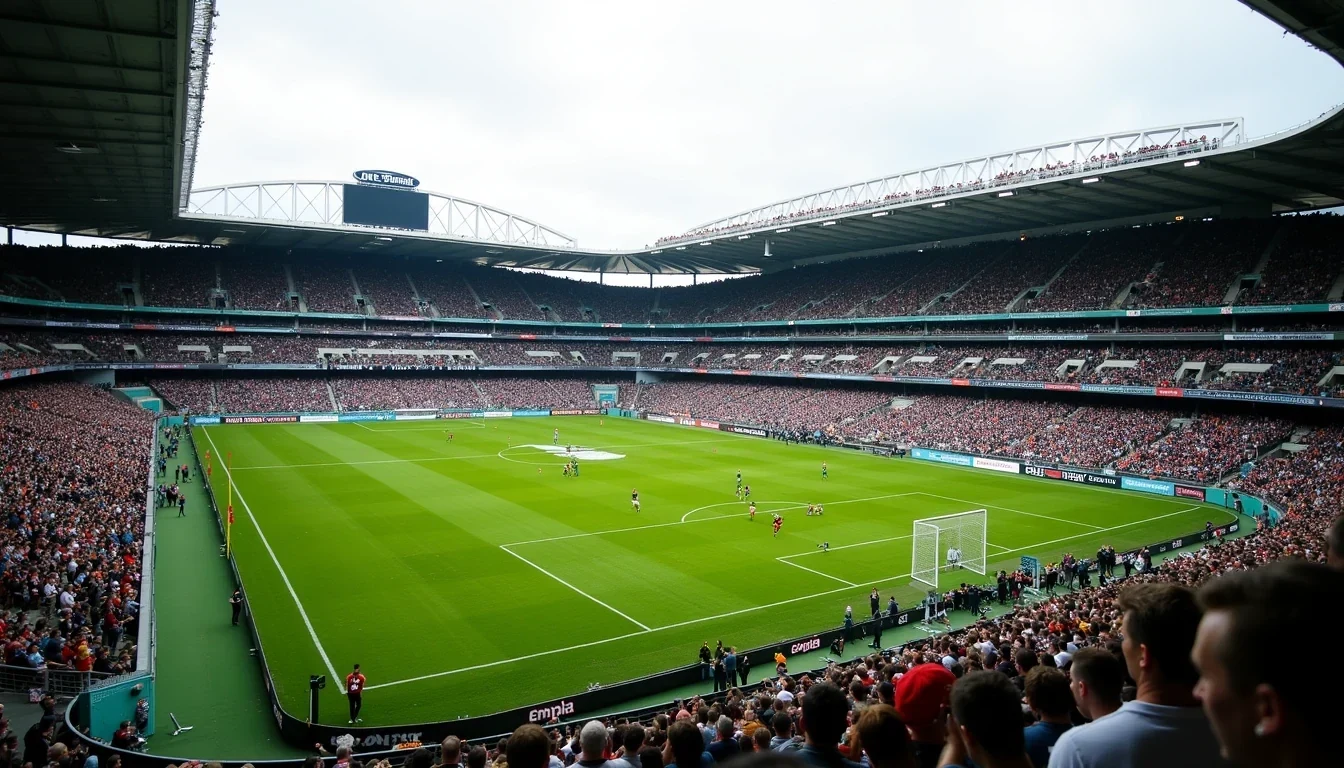
M&T Bank Stadium is a proper NFL ground, not a rugby cathedral. That alone changes the feel. The pitch is natural grass, so we are not dealing with the weirdness of a synthetic surface, but grass maintained for American football is still not the same thing as a rugby pitch built and lived on for Tests. The field is also narrower than a full rugby field, which reduces the room teams usually use to stretch a defence and attack wide.
That kind of space loss can feed straight into totals and handicaps. Narrower conditions tend to reward tighter carrying, more set-piece pressure, and less open-field chaos. If the kicking battle becomes a grind, or if handling gets sloppier in humidity or rain, the game can stay under a points line that was priced for a more open occasion. Baltimore in September can be sticky and unpredictable enough to make that a live question.
Travel is the other quiet killer. Both sides are coming from the southern hemisphere, and long-haul preparation is not a decorative detail. Jet lag, disrupted routines, and a new time zone do not show up in the team sheet, but they do show up in the first quarter and sometimes again after halftime. If one side settles faster, the handicap can look too generous or too tight very quickly.
Then there is the crowd. This will not feel like a packed rugby stronghold with the whole ground on rugby terms from the first whistle. You will get a mix of local spectators, South African and New Zealand expatriates, and general sports fans drawn by the event itself. That can make the atmosphere louder on paper than in rugby reality. A charged but less specialised crowd can favour the side that handles the strange setting better rather than the side with the deeper historical aura.
How the bookies will price it
Licensed South African bookmakers will still start from the usual rugby machinery: form, head-to-head history, player availability, coaching choices, and public money. They are not going to hand out charity prices because the stadium is in Maryland. But the unusual setting will be built into the line far more than it would be for a Test in Pretoria or Dunedin.
The big adjustment is uncertainty. A neutral venue, long travel, a non-traditional crowd, possible weather, and the chance that one or both unions manage the week more carefully because this is as much a brand event as a hard-edged championship fixture. Those inputs can move the opener on the handicap and total points more than casual punters expect.
I would watch the team announcements like a hawk. If either side rotates heavily or leaves a few stars out of the more punishing roles, the market will move fast. If the selected XVs look close to full strength, the early numbers will harden and value may vanish before kickoff. The first price is often where the bookmaker admits, in code, what they think of the venue. The later price is where the public arrives and starts pushing things around.
Public betting patterns matter here as well. A marketable match between two famous sides in the United States will attract plenty of recreational money. That can create the usual trap. The crowd wants the famous team, the famous try-scorer, the overs, the romance of a giant occasion. The bookmaker happily prices some of that enthusiasm into the board and leaves the rest for the punter to pay for.
The markets I would actually watch
Handicap betting is the cleanest place to start because the margin is where strange fixtures reveal themselves. A Test like this can swing between a blunt arm-wrestle and a looser, more open contest depending on how each side handles the trip and the ground. If the line looks built on a normal Test assumption, I would question it. A slightly experimental team, a slower start, or a second-half drop from fatigue can make the spread look silly in one direction or the other.
Total points is the other obvious one. If the venue trims space and the weather behaves like a nuisance, the game can drift under. If both sides decide the occasion deserves a bit more ambition, the over becomes tempting. That is the game inside the game here. A commercial showcase can push teams towards prettier rugby, but it can also make them more careful because nobody wants the wrong kind of error in front of a new audience.
Player props will get attention because the marketing will naturally lean on star names. Anytime try scorer, kicking points, metres gained, all the little shiny things that let a punter feel clever for five minutes. I understand the appeal. I also know how often those markets punish people who confuse fame with certainty. A flyer in an unfamiliar venue can be either a feast or a dead end. Kicking points can be gold if the game stays tight, or a waste of airtime if one side runs away early and stops giving the tee any real work.
Half-time and full-time combinations are worth a glance if you think travel fatigue will bite late. Teams can look organised early, then lose shape as legs go and concentration leaks out. That is where a “slow first half, stronger finish” pattern can make sense. It is also where punters talk themselves into a neat story and then watch the game refuse to cooperate, which is the oldest trick rugby has.
The old precedents are not subtle
We have seen commercially driven rugby in the United States before. The clearest warning comes from Chicago in 2016, when Ireland beat the All Blacks 40-29 at Soldier Field. That was not a market created by tradition or tribal familiarity. It was a high-profile event in a non-traditional place, and the dominant team still got caught.
Another Chicago example from 2014 saw the All Blacks hammer the USA Eagles 74-6 in front of a huge crowd. Same country, same broader strategy, very different result. These matches can go either way in betting terms depending on the opponent, the set-up, and how well the favourite adapts. There is no automatic script.
The Barbarians have also spent years showing how a game framed as entertainment can distort ordinary expectations. Not every showcase match becomes an open shootout, but the commercial brief often nudges the tone. Add the long journey, the unfamiliar venue, and the scale of the rivalry, and you have enough moving parts to make a neat old form guide feel lazy.
For me, the trap is assuming the name on the shirt does all the work. It does not. In a fixture like this, the market will try to charge you for glamour, global growth, and big-brand certainty. I would rather pay for the bits that still matter when the anthem is over: travel, selection, field dimensions, and whether the match is being played like a Test or staged like a billboard.