The old betting shop made you stop. The phone does not. That is the whole argument, and it is a harder one than nostalgia merchants like to admit, because the old place was not cleaner, wiser, or safer. It had walls, hours, and other people in them.
I still trust the shape of that day more than I trust the endless scroll of a mobile account. You walked in with a race card folded under your arm, a few notes in your pocket, and some nonsense idea that you had a read on the third at Turffontein. You could be wrong in public, which is useful. The room would let you know.
The shop had a clock on it
A corner betting shop ran on fixed hours. You did not drift into it at midnight because you felt like a flutter. You went in after it opened, usually late morning, and by the time the last races were done the place was already winding down. That alone changed how gambling sat in the day.
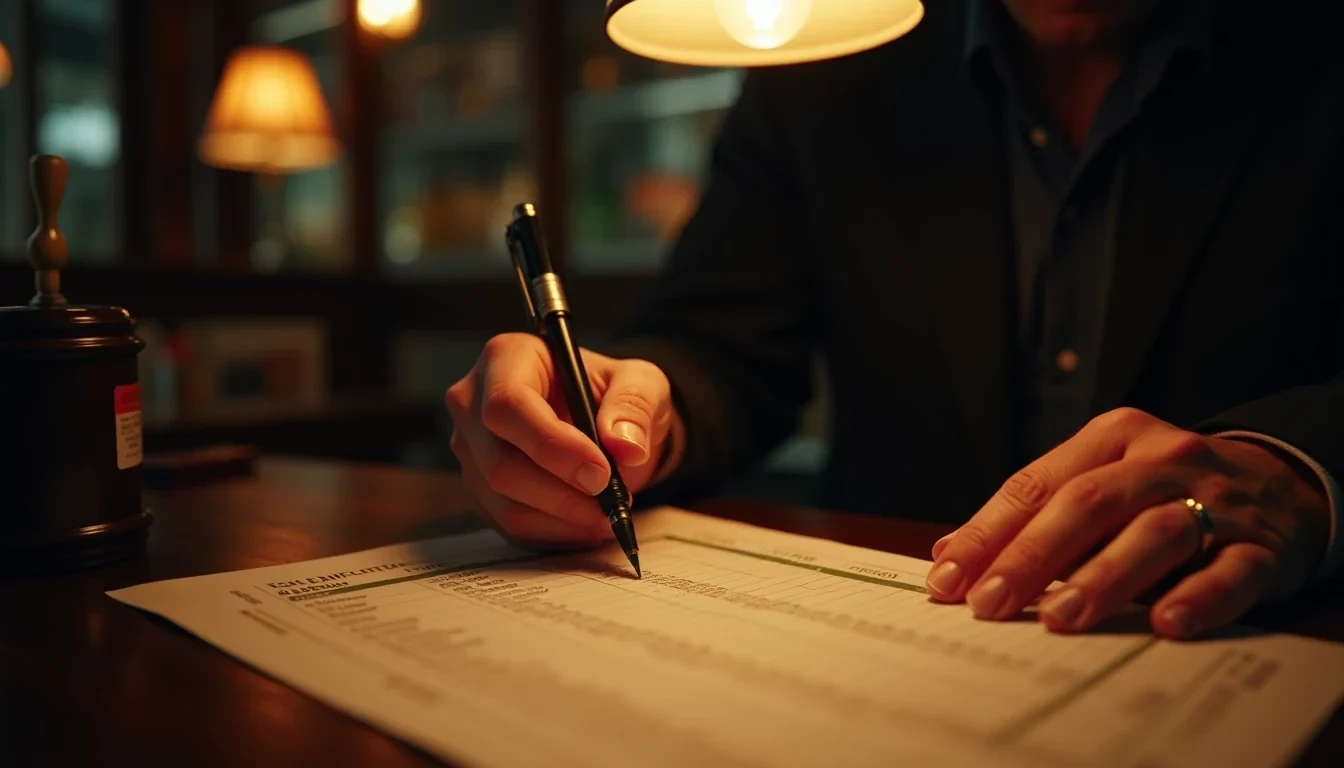
The routine was plain enough. Pick up the paper, maybe Winning Form if the counter had copies, maybe the racing page out of The Citizen if that was what was lying around. Mark your numbers with a pen that leaked if you pressed too hard. Read the chalkboard. Check the scratchings. Stare at a jockey’s name like it was going to confess something. Then wait.
Waiting is doing work, even if punters pretend it is dead time. In the shop it acted like a brake. You had to travel there, stand there, listen to what other people thought, and then wait for the next race to go off. After that there was another pause before the result, another pause before the payout, and another before you decided whether you were done for the day or just being a fool with better posture.
The mobile app cut all of that out. Open phone, tap selection, place stake, watch market move, bet again. No opening bell, no closing bell, no counter staff seeing that you have been in the building since lunch and are still acting like the next one is your race.
The room used to argue back
A betting shop was a bookmaker and a clubhouse. The counter took your cash, but the room took your confidence apart. That was half the point.
People talked form, trainer names, draw positions, going, jockeys, and all the usual nonsense that punters use to sound less uncertain than they are. One man liked a horse because it had won last time. Another wanted to oppose it because it had won last time. Both believed they were reading the race. Usually they were reading themselves.
The argument happened out loud. You could hear someone say why they liked a runner, then hear the next oke tear it down before the race even started. If you were lucky, there was a regular who had actually looked at the card instead of just following the loudest voice in the room. If you were unlucky, the loudest voice had just had a good run and was now behaving like form studies were a personal gift.
There was a kind of rough accountability in that. Not moral accountability. Gambling has never been a church. I mean social accountability, the sort that comes from having to say your nonsense in front of other adults. If you backed a dog and lost, people saw it. If you were chasing after a bad day, people saw that too. They might not stop you, but they knew what they were looking at.
On a phone, nobody sees a thing until the balance is ugly and the excuses start.
The ritual was half the point
The old shop had objects that slowed the day down: printed race cards, cheap pens, sticky counters, results on a screen, ticket stubs that mattered for about six minutes and then became proof you had once believed in something.
There was sound in the place too. Ticket printers whirred. Newspapers rustled. A race caller rising in pitch as the field turned for home. Someone groaning before the favourite even hit the line. Someone else shouting too early because that is what optimists do when their horse is still travelling well at the 200 metre mark.
That shared reaction was real. You did not get it alone on a sofa with your phone in one hand and a dead screen in the other. In the shop, a photo finish landed as a small public event. A payout felt like a room coming up for air together. A bad beat was communal too, which is the nearest thing to mercy gambling offers.
The ritual also made the betting day finite. You went to the shop, you played the card, you watched the races, and then you went home. The day had edges. Even if you lost, the loss belonged to a session, not to an app that was still sitting there at supper time with another market, another code, another excuse to keep going.
The phone removed the pause
Mobile betting gave punters a lot more access: more markets, more races, more sports, more in-play temptations dressed up as convenience. If you want to back a horse, a football match, or some other event halfway across the world, the app will happily let you make that mistake in seconds.
That is the trade. You gain reach and speed, and you lose friction.
The friction mattered. A shop made you handle cash or at least a voucher or a payout across the counter. A phone makes the whole thing feel abstract, especially when deposits move by EFT or a stored payment method and the money stops feeling like money. You are not handing over notes and watching them leave your hand. You are pressing buttons and telling yourself it is just a tenner, or fifty rand, or whatever small lie you use to make a losing streak look tidy.
I am not romantic about the old methods. Cash is still cash. A losing ticket still loses. The shop did not save anybody from bad decisions. But it did impose pauses that the phone has no interest in providing. You had to get there. You had to wait. You had to stand in your own company for a bit before you could make the next stupid choice.
The mobile account has no closing time. It has no tired counter clerk telling you the last race is done. It has no old guy beside you telling you to leave the favourite alone because the draw is rotten. It has no natural exit.
The law did not make the phone simpler
There is also a legal difference, and it is worth saying plainly. Licensed bookmakers in the provinces can offer online sports betting. That part is real, and it is part of why the move to mobile has happened so fast. But online casino play sits in a different place under the National Gambling Act, and the National Gambling Board has had to keep saying so because punters and operators keep pretending the answer might change if they ask the same question in a different voice.
That distinction changes how the modern punter experiences the day. The app feels like one seamless universe, but the law does not treat everything inside it the same way. Sports betting, horse racing, casino-style games, remote play, provincial licensing, all of it sits in a messier framework than the slick interface suggests.
The old shop did not need that sort of explanation because the structure was visible. There was the counter, the card, the board, the telly, the cash, the payout. You knew what business you were in because the room told you. The phone hides the business inside a screen and then offers you one more market, one more code, one more quick spin at the edge of the original bet.
What got lost was the brake, not the thrill
People like to talk as if this is a story about progress. I do not buy that. It is a story about removing pauses and calling it convenience.
The corner shop gave you a social day with a beginning and an end. It gave you familiar faces, public bad habits, and enough structure to keep the betting from dissolving into a permanent background noise. It was easier to argue with a horse in front of other punters than to whisper at an app while your meal gets cold.
The phone is quicker, cheaper to operate, and much better at catching your attention at the worst possible time. That is its real advantage: not freedom, but access. Access with no front door, no opening hours, and no staff member noticing that you have been there since morning and are now trying to convince yourself that the next one repairs the previous five.
That old room was not noble. It was just honest about being a room.